Transform Your Home into an Allergy-Free Zone
Introduction
Itchy eyes, a scratchy throat, sneezing fits the moment you wake up, or that constant feeling of congestion at home--if any of this sounds familiar, you are not alone. Allergies affect millions worldwide, and for many people the number-one trigger isn't outdoors--it's inside their own homes. The good news is that you can Transform Your Home into an Allergy-Free Zone with a structured, science-backed plan that reduces dust, dander, pollen, mold, and chemical irritants. This comprehensive guide consolidates best practices from building science, indoor air quality research, and allergy management so you can take confident, practical steps--room by room--to create a healthier, more comfortable, and more energy-efficient living environment.
Whether you're battling seasonal hay fever, dust mite sensitivity, asthma, pet allergies, or fragrance/chemical sensitivities, this long-form tutorial provides the strategy, tools, and expert insights you need to build an allergy-proof home that actually stays that way. You will learn how to assess your current air quality, prioritize the biggest wins, and put in place ongoing routines that keep allergens at bay--all without falling for hype or costly gimmicks.
Table of Contents
- Why This Topic Matters
- Key Benefits
- Step-by-Step Guidance
- Expert Tips
- Common Mistakes to Avoid
- Case Study or Real-World Example
- Tools, Resources & Recommendations
- Law, Compliance or Industry Standards (UK-focused)
- Checklist
- Conclusion with CTA
- FAQ
Why This Topic Matters
Allergies and asthma are not minor inconveniences; they are serious health issues with substantial quality-of-life and economic impacts. In the UK, Allergy UK estimates that more than a third of adults experience allergies, while millions live with asthma. Globally, the World Health Organization and major respiratory associations cite allergic rhinitis and asthma as among the most common chronic conditions. The home--where we spend around 90% of our time--can be a reservoir of indoor pollutants and allergens: dust mites, pet dander, mold spores, cockroach allergens, pollen tracked in from outside, and volatile organic compounds (VOCs) off-gassing from paints, furnishings, and cleaning products.
Indoor air is often 2-5 times more polluted than outdoor air, according to multiple indoor air quality studies. For sensitive individuals, this can translate into persistent symptoms: sneezing, coughing, dermatitis, wheezing, brain fog, and sleep disturbance. Avoidance or reduction of triggers is a cornerstone of clinical allergy and asthma management. That's why a rigorous plan to transform your home into an allergy-free zone is more than a lifestyle upgrade--it's a health strategy. By controlling exposure where you live and sleep, you can reduce symptoms, cut down on medication use (under your clinician's guidance), and improve day-to-day wellbeing.
Key Benefits
Optimizing your home for allergen reduction yields benefits that go far beyond fewer sneezes:
- Fewer symptoms, better breathing: Lower dust mite, pollen, and pet dander levels can translate to fewer flare-ups and more days feeling normal.
- Improved sleep and daytime energy: Bedroom-focused interventions, especially bedding encasements and HEPA filtration, improve overnight symptom control.
- Reduced infection risk: Good ventilation and humidity control help reduce mold growth and can lower survival of certain pathogens indoors.
- Cleaner, fresher home: A systematic plan makes routine cleaning easier and more effective.
- Lower long-term costs: Preventing moisture damage and mold protects your property. Targeted purchases (like effective filters) beat expensive, ineffective gimmicks.
- Increased comfort and value: A healthier indoor environment can be a selling point and improve occupants' quality of life.
Step-by-Step Guidance
To truly Transform Your Home into an Allergy-Free Zone, follow this structured plan. It begins with understanding your triggers, then moves to immediate, high-impact changes, followed by room-by-room optimization and long-term maintenance.
1) Identify Your Triggers and Baseline
- Clarify sensitivities: Common triggers include dust mites, pet dander, mold, pollen, cockroach allergens, and chemical irritants (VOCs, fragrances). If possible, work with a clinician for testing; otherwise, note patterns (e.g., worse at night = consider dust mites and dander).
- Measure what matters: Use a humidity meter (aim for 40-50% RH), a particulate monitor (PM2.5), and consider a CO2 monitor to gauge ventilation adequacy. These give you objective data to track progress.
- Walkthrough audit: Check for damp patches, condensation, musty smells, visible mold, clogged vents, dusty textiles, and high-pile carpets. Log issues by room.
2) Quick Wins in 48 Hours
- Bedroom first: Install dust-mite-proof encasements on mattresses and pillows. Wash all bedding at 60?C (140?F) if fabric allows. Vacuum mattress and bed base with a genuine HEPA vacuum.
- Upgrade filtration: Fit your central system (if you have one) with at least MERV 13 equivalent (ISO ePM1 50%) filters. For homes without central HVAC, add appropriately sized portable HEPA air purifiers for bedrooms and main living areas.
- Control humidity: If RH is above 55-60%, run a dehumidifier and improve ventilation; below 40% can be irritating--aim for the sweet spot of 40-50%.
- Entryway containment: Place doormats inside and out; institute a shoes-off policy to minimize tracked-in pollen and particulates.
- Fragrance-free switch: Replace scented candles, air fresheners, and fragranced cleaners with unscented, low-VOC alternatives.
3) Room-by-Room Optimization
Bedrooms
- Use hypoallergenic pillow and duvet filling; wash every 1-2 weeks at 60?C if possible. If not, tumble drying on high heat can help reduce mites.
- Keep under-bed storage sealed to reduce dust accumulation. Avoid fabric headboards if possible; they harbor dust.
- Replace heavy curtains with washable curtains or hard blinds; wash/clean monthly during peak allergy seasons.
- Consider replacing carpets with hard flooring plus washable rugs; if carpet remains, vacuum slowly with a HEPA vacuum at least twice weekly.
Living Room
- Use a HEPA air purifier sized for the room's volume (check Clean Air Delivery Rate--CADR). Position centrally or near sources, away from obstructions.
- Choose upholstered furniture with tightly woven or leather surfaces. Vacuum sofas with HEPA tools weekly.
- Minimize clutter and open shelving that gathers dust; store books and fabrics behind doors or in lidded containers.
Kitchen
- Run a ducted cooker hood when cooking; it reduces particles and humidity. If recirculating, maintain filters frequently.
- Fix leaks promptly and dry spills to avoid mold growth. Keep bin areas clean and sealed to deter pests.
- Use fragrance-free dish soaps and surface cleaners; check labels for low-VOC claims and third-party certifications.
Bathroom
- Install or repair an extractor fan (ideally with a timer or humidity sensor) and allow it to run for 10-20 minutes after showers.
- Dry towels thoroughly; wash bath mats weekly on hot cycles. Seal grout and repair caulk to prevent moisture intrusion.
- If mold appears, address the moisture source first; then clean using appropriate methods for the surface type.
Entry & Hall
- Shoes-off policy and two doormats (exterior + interior). Provide closed storage for coats to limit pollen spread indoors.
- Wipe down pet paws after walks during high pollen days to reduce indoor allergens.
Children's Rooms
- Limit soft toys (washable only) and wash or freeze them weekly to control dust mites.
- Opt for wipeable blinds, washable rugs, and sealed storage for toys and books.
Basements and Lofts
- Monitor humidity consistently; basements often need dehumidification to maintain 40-50% RH.
- Insulate cold surfaces where condensation forms and ensure ventilation paths remain clear.
- Deal with water ingress professionally; surface cleaning alone won't solve chronic damp.
4) Flooring, Furnishings, and Materials
- Flooring: Hard flooring (wood, tile, vinyl) with washable rugs is generally better than wall-to-wall carpet. If carpeted, choose low-pile, tightly woven options and a rigorous vacuum schedule.
- Paints and sealants: Choose low- or zero-VOC products and allow ample curing time with good ventilation.
- Furniture: Prefer materials certified for low emissions. Avoid excessive soft textiles; choose covers that can be laundered frequently.
5) Ventilation Strategy
- Daily window routine: Short, controlled airing (5-10 minutes) in low-pollen hours can refresh air without overloading allergens.
- Mechanical systems: If you have mechanical ventilation (MEV or MVHR/HRV), ensure filters are maintained and extraction rates are adequate, especially for kitchens and bathrooms.
- CO2 as a proxy: Keep indoor CO2 ideally below ~1000 ppm during occupancy; higher levels suggest inadequate fresh air.
6) Filtration and Purification
- Central system filters: Use at least MERV 13 (ISO ePM1 ~50%) where your system can handle the pressure drop. Replace on schedule.
- HEPA air purifiers: Choose H13/true HEPA per EN 1822 or equivalent, sized to achieve 4-5 air changes per hour (ACH) in bedrooms and main living areas.
- Do not use ozone generators: Ozone is a lung irritant and not recommended for occupied spaces.
7) Cleaning Protocol That Works
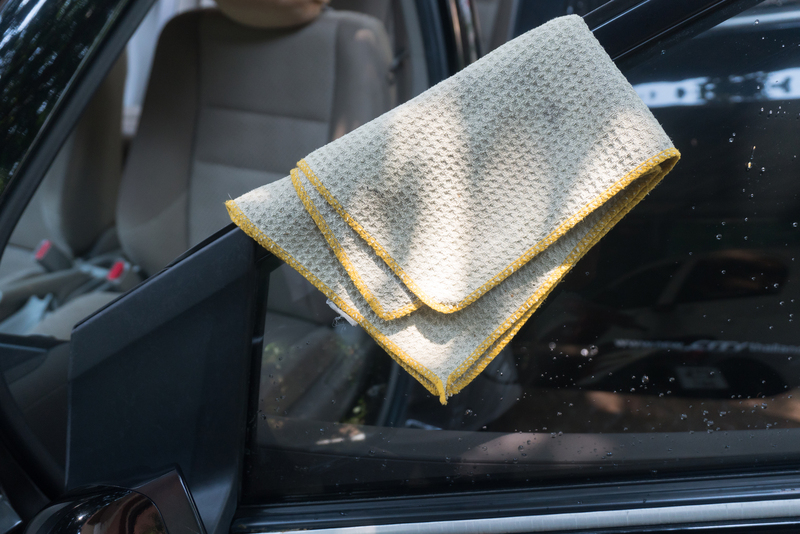
- Order matters: Declutter, then dust high-to-low with damp microfiber, vacuum (slow passes) with a HEPA unit, and finish with a damp mop for hard floors.
- Frequency: Bedrooms and living areas: 2x weekly vacuuming; high-traffic areas daily quick sweeps; bedding weekly hot wash; surfaces dusted weekly.
- Filters and cloths: Wash/reuse microfiber cloths without fabric softener. Replace vacuum bags/filters as specified.
8) Pets and Pollen Management
- Pet zones: Keep pets out of bedrooms if you're sensitized. Bathe and brush regularly (outdoors if possible) with vet guidance.
- Pollen season: Close windows during high pollen peaks, run HEPA purifiers continuously, and shower before bed. Dry laundry indoors on high-pollen days to prevent pollen deposition.
9) Moisture and Mold Control
- Prevent the source: Fix leaks, improve insulation at cold bridges, and manage humidity. Mold recurs if moisture remains.
- Safe cleaning: For small areas on non-porous materials, follow authoritative guidance for cleaning and drying. For porous materials or larger contamination, professional remediation is advised.
10) Long-Term Maintenance and Review
- Set reminders for seasonal tasks: filter changes, deep cleans, dehumidifier service, and ventilation checks.
- Track symptoms and IAQ metrics monthly; adjust interventions based on data.
- Budget for replacements (e.g., mattresses every 7-10 years; pillows every 1-2 years if not encased).
Expert Tips
- Microfiber mastery: Use tightly woven microfiber cloths slightly damp; they trap more dust and allergens than dry dusting.
- Vacuum technique: Make slow, overlapping passes; fast vacuuming removes far less particulate. Empty canisters outdoors and wear a mask if you're sensitive.
- Stuffed toys: Wash weekly at 60?C or freeze overnight in a sealed bag to reduce dust mites, then rinse and dry.
- Window tactics: During peak pollen times, ventilate in early morning or after rain when counts are lower.
- Mattress encasements: Choose medical-grade, fully zippered encasements with small pore size (<10 microns); encase pillows too.
- Dehumidifier sizing: Choose a unit with adequate extraction rate for your space; in the UK, look for quiet, efficient models with auto defrost and continuous drain options.
- Purifier placement: Place HEPA purifiers away from corners, with intake/exhaust unobstructed; run on higher settings when rooms are occupied, lower at night if noise-sensitive.
- Low-VOC furnishing: Let new furniture off-gas in a well-ventilated area before bringing into sleeping spaces.
- Seasonal textiles: Swap heavy drapes and extra cushions during pollen season for fewer, washable items to reduce dust load.
- Data-driven approach: A simple RH/PM monitor helps you see what works; it's often the highest ROI tool for sustained control.
Common Mistakes to Avoid
- Chasing gadgets over fundamentals: No purifier can compensate for unchecked moisture or chronic clutter.
- Using ionizers/ozone devices: These can create byproducts that irritate airways. Stick with mechanical HEPA filtration.
- Ignoring source control: Fragranced products, scented candles, and poorly sealed entryways undermine your efforts.
- Skipping the bedroom: The bedroom is where you spend the most continuous hours; it's the #1 priority area.
- Vacuuming too fast or without HEPA: This redistributes allergens and can worsen symptoms.
- Neglecting humidity: Excess moisture fuels mold and dust mites; too-dry air inflames airways. Aim for 40-50% RH.
- Forgetting maintenance: Filters, encasements, and seals need periodic care to remain effective.
Case Study or Real-World Example
Family of Four in Manchester, UK
Background: Two children with dust mite and pollen allergies; parents report poor sleep and morning congestion. Three-bed semi-detached home with carpets upstairs, pets (one cat), and visible condensation on bedroom windows.
Initial assessment: RH averaged 62% upstairs; PM2.5 daily average ~18 ug/m?, peaking during cooking and vacuuming. Bedrooms had heavy curtains and plush toys; central heating with no mechanical ventilation.
Interventions (6 weeks):
- Added mattress and pillow encasements to all beds; hot-washed bedding weekly at 60?C.
- Installed two portable HEPA purifiers (H13) for children's rooms and one in the lounge; ran continuously at low speed.
- Switched to fragrance-free cleaning and laundry products; removed scented candles and plug-ins.
- Replaced heavy curtains in bedrooms with washable curtains; instituted twice-weekly HEPA vacuuming routine.
- Introduced a dehumidifier upstairs; targeted 45-50% RH. Trickle vents opened and window airing for 10 minutes morning and evening on low-pollen days.
- Created an entryway shoes-off policy; added interior/exterior mats.
Results (after 8 weeks): RH stabilized at 47-50%; PM2.5 reduced to ~8-10 ug/m? average with smaller peaks. Children reported fewer morning symptoms and improved sleep. Parents reduced reliever inhaler use (with GP oversight). The family plans to replace upstairs carpet with hard flooring at the next renovation.
Costs: Approximately ?650 for three HEPA purifiers, ?250 for encasements, ?200 for a dehumidifier, ?70 for monitoring tools--prioritized spending yielded substantial improvement without major building works.
Tools, Resources & Recommendations
These categories and examples (non-affiliate) are commonly recommended by clinicians and building-health professionals. Choose models that fit your budget and home size.
- Air quality monitors: Simple RH/temperature models; PM/CO2 monitors such as Airthings, Aranet4 (CO2), or reputable PM sensors. Track patterns, not just snapshots.
- HEPA air purifiers (H13/H14 per EN 1822): Look for clean air delivery rate (CADR) appropriate for your room. Examples: Coway Airmega range, Blueair HealthProtect, Smart Air, Levoit Core series. Avoid units that generate ozone.
- Dehumidifiers: Energy-efficient models with quiet operation and humidity control, e.g., Meaco Arete One (UK), with continuous drain options.
- Vacuum cleaners: Genuine HEPA-sealed vacuums such as Miele, SEBO, or other models with sealed systems and HEPA filters. Use quality bags/filters.
- Bedding encasements: Medical-grade dust mite covers for mattresses and pillows, zippered, with small pore sizes. Examples: Protect-A-Bed, AllerEase, AllergyCare.
- Filters: Central system filters rated MERV 13 (or ISO ePM1 50%) where compatible; check fan capacity and pressure drop. For MVHR units, use manufacturer-recommended high-efficiency filters.
- Cleaning products: Fragrance-free, low-VOC options such as "Zero" or "Free & Clear" lines. Always read labels and patch-test surfaces.
- Textiles and furnishings: Low-pile rugs, washable curtains, and low-emission paints/sealants with credible certifications (e.g., third-party low-emission standards).
Law, Compliance or Industry Standards (UK-focused if applicable)
While domestic homes aren't regulated as tightly as workplaces, several UK regulations and standards inform best practice when you aim to Transform Your Home into an Allergy-Free Zone:
- Building Regulations Part F (Ventilation): Requires adequate means of ventilation for new builds and certain renovations. Good ventilation reduces humidity, mold risk, and pollutant buildup.
- Building Regulations Part L (Conservation of Fuel and Power): Balances energy efficiency with ventilation needs. When tightening a home's envelope, ensure ventilation is maintained or improved to avoid moisture issues.
- BS 5250:2021 (Management of moisture in buildings): Guidance on condensation control and moisture management, vital for mold prevention.
- EN 1822 (HEPA classification): Defines efficiency for HEPA filters (H13/H14) used in purifiers and vacuums.
- ISO 16890 (Air filter testing and classification): Replaces EN 779; classifies filters (ePM1, ePM2.5, ePM10). For allergy reduction, aim for ePM1 50% (roughly MERV 13).
- Homes (Fitness for Human Habitation) Act 2018 (England): Requires landlords to keep properties free from serious hazards, including damp and mold. Tenants can seek remediation if conditions affect health.
- HHSRS (Housing Health and Safety Rating System): Damp and mold are actionable hazards in rental properties.
- UK REACH and product safety regulations: Govern chemical safety and labeling. Look for low-VOC products and transparent ingredient lists.
- Food Standards Agency allergen labeling: For food allergy households, the UK's 14 major allergens must be declared on prepacked foods--important for kitchen hygiene and cross-contact control.
Note: For significant renovations or suspected structural damp/mold problems, consult qualified professionals who follow relevant British Standards and industry guidance. For medical management of allergies and asthma, follow NHS/NICE guidance and your clinician's advice.
Checklist
- Measure RH (target 40-50%); identify condensation hotspots and leaks.
- Install mattress and pillow encasements; wash bedding weekly at 60?C.
- Vacuum with a HEPA-sealed machine 2x weekly; damp dust high-to-low.
- Place HEPA air purifiers (H13) in bedrooms/living areas; check CADR sizing.
- Adopt a shoes-off policy; add interior/exterior mats.
- Replace fragranced products with fragrance-free, low-VOC alternatives.
- Ventilate kitchens/bathrooms during/after use; service extractor fans.
- Control humidity with dehumidifiers where needed; maintain 40-50% RH.
- Reduce textile dust traps: washable curtains, fewer cushions, sealed storage.
- Track IAQ metrics and symptoms monthly; adjust actions accordingly.
Conclusion with CTA
Creating an allergy-smart home is not about perfection; it's about consistent, layered improvements that, together, reduce your exposure to triggers and greatly improve daily comfort. By prioritizing the bedroom, managing humidity, upgrading filtration, and following a practical cleaning and ventilation routine, you can Transform Your Home into an Allergy-Free Zone in a way that's sustainable and measurable. The result is better sleep, clearer breathing, fewer flare-ups, and a cleaner, calmer space for everyone in your household.
If you're starting from scratch, focus on the "big three": encase bedding, add HEPA filtration, and control moisture. Then build on your success--swap textiles for washable options, choose low-VOC materials, and refine your cleaning and ventilation habits. With the guidance above, your home can become an ally in your health, not a hidden trigger.
Get a free quote today and see how much you can save.
FAQ
What's the single most impactful change to reduce allergies at home?
Start with the bedroom: use dust mite-proof mattress and pillow encasements and a properly sized HEPA air purifier. Because you spend many consecutive hours sleeping, improvements here usually deliver the biggest symptom relief.
What humidity level should I maintain to deter dust mites and mold?
Aim for 40-50% relative humidity. Above ~55-60% supports dust mites and mold; below ~35-40% can irritate airways and dry skin. Use a dehumidifier and ventilation to stay in range.
How often should I vacuum, and what type of vacuum is best?
Vacuum high-use areas at least twice weekly with a sealed HEPA vacuum. Move slowly with overlapping passes. Change bags and filters as recommended to maintain performance.
Do air purifiers really help with allergies?
Yes--if they use true HEPA filtration (H13/H14 per EN 1822) and are correctly sized (4-5 ACH for bedrooms/living rooms). They reduce airborne allergens like pollen, dander, and fine dust. They complement, not replace, source control and cleaning.
Is carpet removal necessary to Transform Your Home into an Allergy-Free Zone?
Not always. Hard flooring with washable rugs is ideal, but if carpet must stay, choose low-pile, vacuum thoroughly with HEPA, and consider regular hot water extraction by a professional experienced with allergy-friendly methods.
Should I use essential oils or scented candles to freshen the air?
Fragrances--even natural ones--can trigger symptoms. It's safer to improve ventilation, use HEPA filtration, and clean regularly. Choose fragrance-free products for cleaning and laundry.
What temperature should I wash bedding to kill dust mites?
Wash at 60?C (140?F) where fabric care labels allow. For items that can't be hot-washed, tumble-dry on high heat or freeze stuffed toys overnight before washing to reduce mites.
How do I manage pets if I'm allergic?
Keep pets out of bedrooms, use HEPA air purification, bathe and groom regularly (ideally outdoors), and vacuum with HEPA. Consider washable covers for furniture and designated pet-free zones.
Are ozone or ionizer air cleaners recommended?
No. Ozone is a respiratory irritant and should not be used in occupied spaces. Ionizers can create byproducts and often lack robust evidence. Choose mechanical HEPA filtration instead.
What's the difference between MERV 13 and ISO ePM1 50%?
They are similar efficiency benchmarks under different standards. MERV 13 roughly corresponds to ISO ePM1 50% and is a common target for allergy reduction in central systems, if your system can handle the pressure drop.
Do houseplants help or hurt indoor allergies?
Houseplants can collect dust and, in some cases, emit pollen or create moist soil that fosters mold. If you love plants, keep them minimal, dust leaves regularly, and avoid overwatering.
How do I ventilate during high-pollen seasons without making symptoms worse?
Aerate briefly during low-pollen times (early morning/after rain), keep windows closed during peak hours, and rely on HEPA purifiers indoors. Use exterior mats and a shoes-off policy to limit pollen ingress.
What should renters do if there's persistent damp or mold?
Report issues in writing to your landlord. In England, the Homes (Fitness for Human Habitation) Act 2018 and HHSRS classify damp and mold as hazards that landlords must address. Keep records and seek professional advice if needed.
Dehumidifier or air purifier: which should I buy first?
If humidity exceeds ~55-60%, a dehumidifier is the priority to prevent mold and dust mites. If humidity is controlled, a HEPA air purifier is often the next best investment for allergen reduction.
Can I Transform My Home into an Allergy-Free Zone on a tight budget?
Yes. Prioritize encasements for pillows, strict cleaning with microfiber, a shoes-off policy, strategic window airing, and fragrance-free products. Add HEPA purifiers and dehumidifiers as budget allows.
How do I know if an air purifier is properly sized?
Calculate room volume (length x width x height). To achieve 4-5 ACH, choose a purifier whose CADR can deliver that air turnover. Manufacturers often provide room-size guidance; always verify with your measurements.
Do I need to remove all soft furnishings?
No, but reduce and manage them: choose washable options, launder frequently, and store items to minimize dust accumulation. Balance comfort with maintenance practicality.
What about chemical sensitivities in addition to allergies?
Opt for low- or zero-VOC paints, sealants, and cleaners. Increase ventilation during renovations and allow time for off-gassing before occupying rooms--especially bedrooms.
How often should I replace pillows and mattresses?
With encasements, pillows can last longer, but consider replacing pillows every 1-2 years and mattresses every 7-10 years. Encasements and regular hot washing extend usable life.
Can I rely on air fresheners to deal with musty smells?
No. Musty smells indicate moisture or mold. Address the source--improve ventilation, fix leaks, manage humidity--rather than masking odors with fragrances.